AI-powered tools are reshaping how businesses find and qualify leads. Instead of relying on outdated methods like cold calls or mass emails, these tools analyze vast amounts of data to identify high-potential prospects, score them based on conversion likelihood, and personalize outreach at scale. Here's how they work:
- Identify Prospects: AI scans databases and online activity to find leads matching your ideal customer profile (e.g., company size, industry, funding events).
- Qualify Leads: AI scores leads using multiple data points such as behavior, firmographics, and engagement signals.
- Personalize Outreach: Tools craft tailored messages, optimize communication channels, and automate follow-ups for better engagement.
Top tools like Apollo, Mails AI, Dripify, and Instantly simplify and enhance lead generation by automating these processes. By combining AI insights with human expertise, businesses can focus on leads most likely to convert, improving efficiency and sales outcomes. The future of lead generation lies in leveraging these technologies while maintaining accurate data and compliance with regulations like CAN-SPAM and TCPA.
How to Use AI to Get More Leads for Your Business
How AI-Powered Tools Work in Lead Generation
AI-powered tools are transforming lead generation by automating key stages of the sales funnel: identifying potential customers, evaluating their potential, and engaging with them effectively. By handling these tasks at scale, AI creates a smoother, more efficient process that delivers better results.
The strength of AI lies in its ability to process massive amounts of data far faster than any human team. While a sales rep might research a handful of prospects each day, AI can analyze thousands, applying consistent criteria and uncovering patterns that might otherwise go unnoticed.
Automated Lead Identification
AI tools streamline lead identification by scanning vast databases and online sources to find prospects that align with your ideal customer profile. They don’t just rely on basic information - they dig deeper, analyzing company data and behavioral signals that suggest buying intent and business needs.
It all begins with data aggregation. AI gathers information from a variety of sources, including company websites, social media, news articles, job postings, funding announcements, and even technology usage. This creates a detailed profile of each prospect, far beyond what traditional databases can offer.
Next comes pattern recognition, where AI algorithms identify traits common to your most successful customers. For instance, if your top clients are SaaS companies with 50–200 employees that recently raised Series A funding and are expanding their sales teams, the AI will prioritize similar companies in its searches.
AI also excels at intent detection, monitoring online behavior to spot companies that might need your product or service. This could include activities like visiting competitor websites, downloading related whitepapers, posting job openings for roles that align with your solution, or engaging with content about specific challenges your product addresses.
The speed advantage is undeniable. Traditional methods might yield a few dozen qualified leads in a week, but AI can uncover hundreds or even thousands of prospects in the same time, all pre-screened to match your criteria.
Once the leads are identified, AI takes the next step: scoring and qualifying them.
Lead Scoring and Qualification
After identifying potential leads, AI evaluates and ranks them to determine who deserves immediate attention and who might be better suited for long-term nurturing.
Multi-factor scoring is at the heart of this process. Instead of relying on simple demographic data, AI considers dozens of variables. These include firmographic data like company size and revenue, technographic details about their current tools, behavioral signals like website visits, and timing indicators such as recent funding or leadership changes.
AI assigns weighted scores to these factors based on historical conversion data. For example, if prospects who visit pricing pages frequently are more likely to convert, that behavior will carry more weight. Similarly, if certain industries typically have longer sales cycles, the scoring adjusts accordingly. This results in a highly refined qualification process.
With dynamic qualification, scores aren’t static - they update in real-time as new information comes in. If a prospect downloads a case study or connects with your company on LinkedIn, their score adjusts immediately.
AI also identifies the best engagement strategy for each lead. High-scoring prospects might trigger alerts for direct outreach, while medium-scoring leads could enter nurturing campaigns. Lower-scoring prospects might be marked for future monitoring rather than immediate contact.
Personalized Outreach and Engagement
AI takes personalization to the next level by tailoring outreach efforts to each prospect’s unique situation, challenges, and interests.
Content personalization ensures your messages are relevant. AI analyzes factors like recent company news, industry trends, technology use, and online behavior to craft messages that resonate. For example, an email to a fast-growing startup might focus on scalability, while outreach to an established enterprise could highlight cost efficiency.
Channel optimization ensures messages are delivered through the most effective platforms. AI tracks response rates across email, LinkedIn, phone calls, and social media, adjusting strategies based on what works best for each prospect. Some may respond better to a quick LinkedIn message, while others prefer detailed emails.
Timing intelligence identifies the best times to reach out. By analyzing patterns in email opens, website visits, and social media activity, AI determines when a prospect is most likely to engage. For instance, one lead might respond best to emails sent on Tuesday mornings, while another might be more active on Thursday afternoons.
Follow-up automation ensures consistent communication without overwhelming the prospect. Highly engaged leads may receive follow-ups within days, while less responsive ones get spaced-out touchpoints over weeks or months.
Even the tone and style of messages can be tailored. For instance, AI might use formal language for executives but adopt a more casual tone for startup founders.
Top AI-Powered Tools for Lead Generation
AI-powered tools can take your lead generation process to the next level by automating tasks like identifying prospects and qualifying leads. These platforms show how AI simplifies and improves every step of the process. Here are some standout tools that can make your efforts more efficient:
Apollo: Smarter Prospecting and Targeting
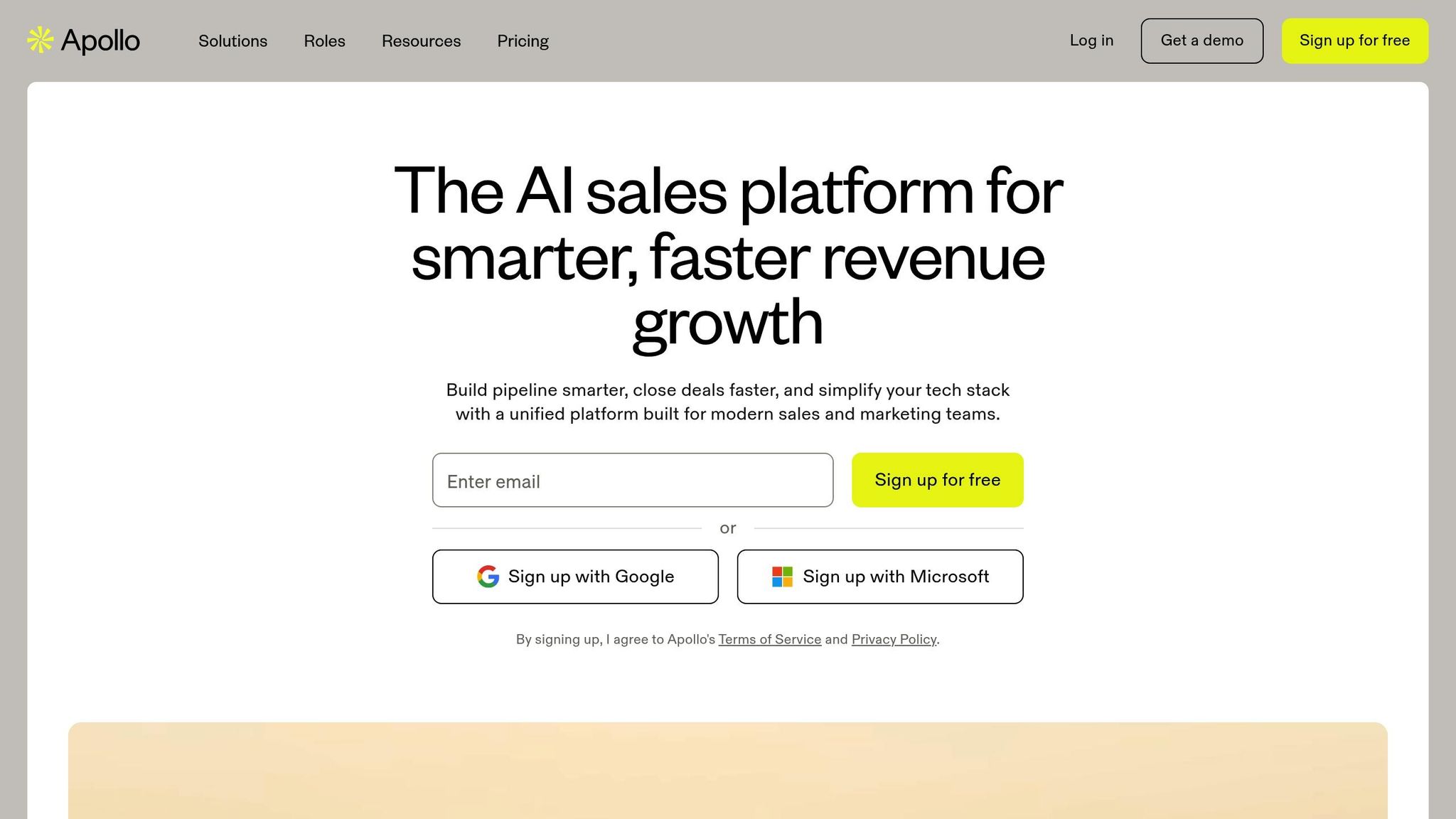
Apollo combines lead generation, email outreach, and CRM capabilities into one platform. With access to a massive database of verified B2B contacts, it uses AI to analyze engagement and intent signals, allowing sales teams to focus on the most promising prospects. Its advanced filters let you zero in on leads by job title, company size, or industry. Plus, Apollo enriches your existing contact data by filling in missing details. The platform offers a free plan with 50 credits per month, while advanced features are available in higher-tier plans like the Organization plan, which costs $119 per user per month.
Mails AI: Smarter Email Campaigns
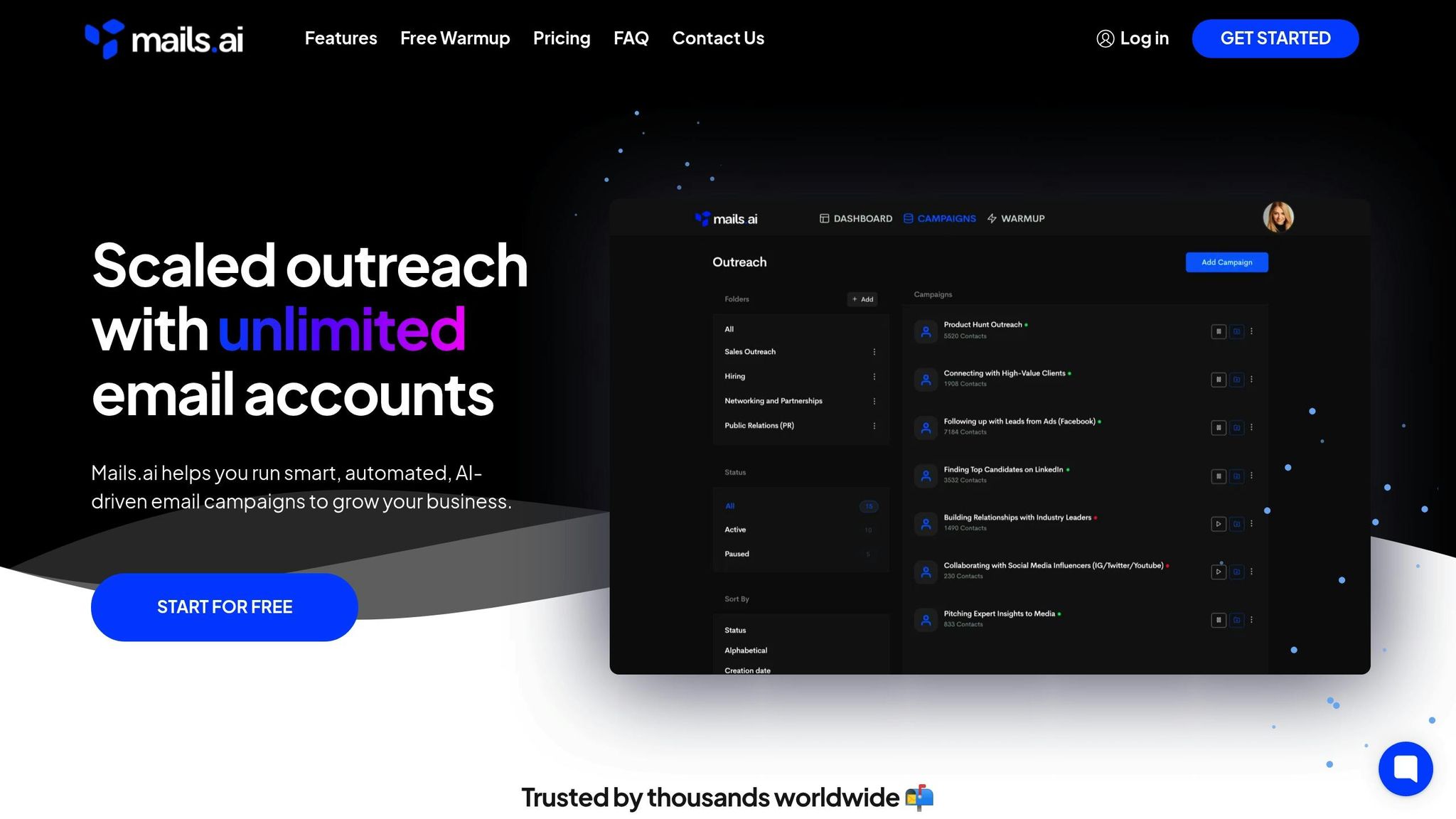
Mails AI simplifies email campaigns by leveraging artificial intelligence to create personalized outreach. It customizes subject lines and optimizes sending times using data analytics, helping you engage prospects more effectively and boost lead qualification rates.
Dripify: LinkedIn Outreach Made Easy
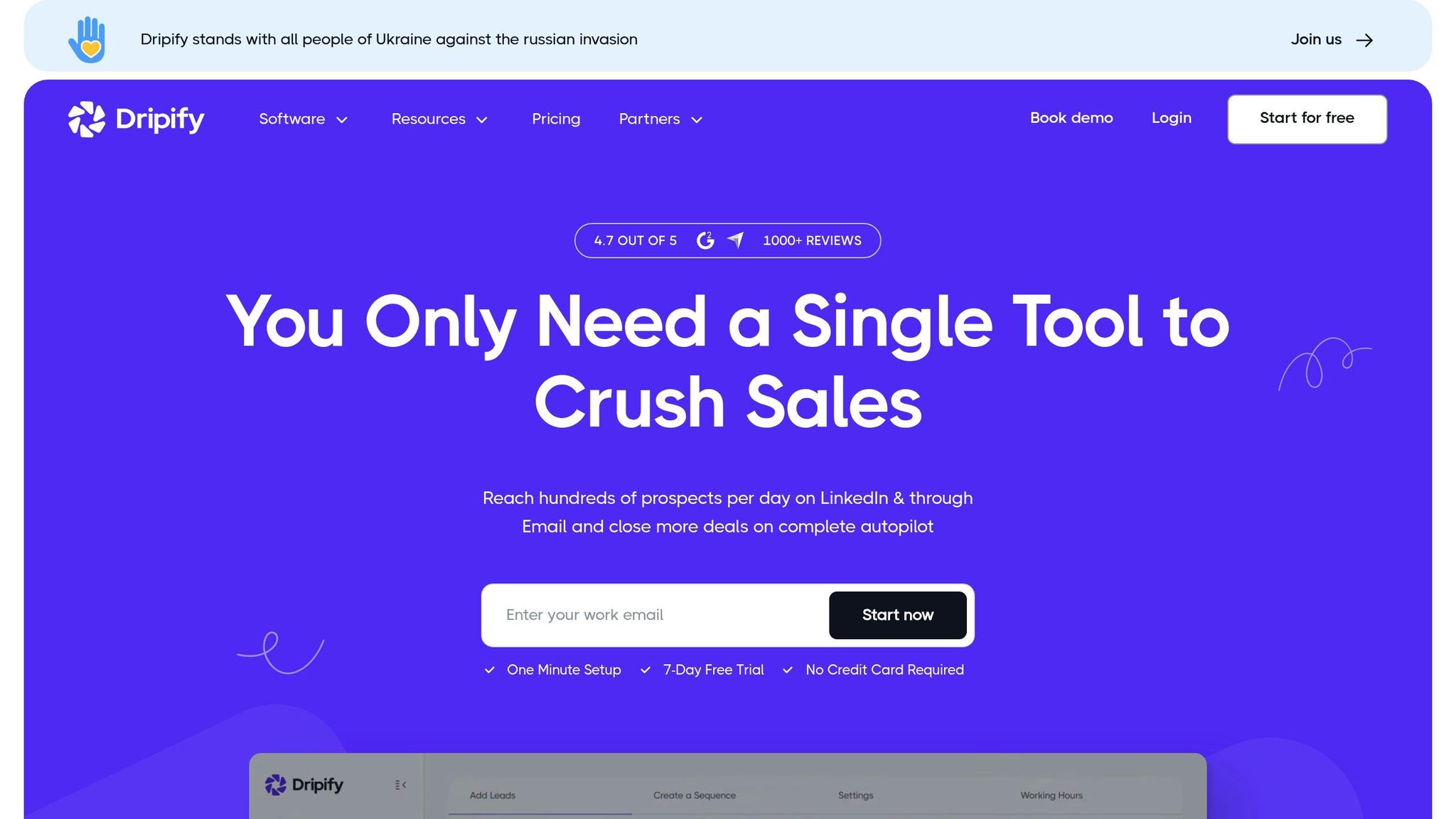
Dripify focuses on LinkedIn automation to streamline lead generation. It helps users expand and engage their professional networks by automating connection requests, follow-ups, and other LinkedIn outreach tasks. The platform also tracks engagement metrics, making it easier to refine your approach and qualify leads.
Instantly: Scaling Email Outreach with Ease
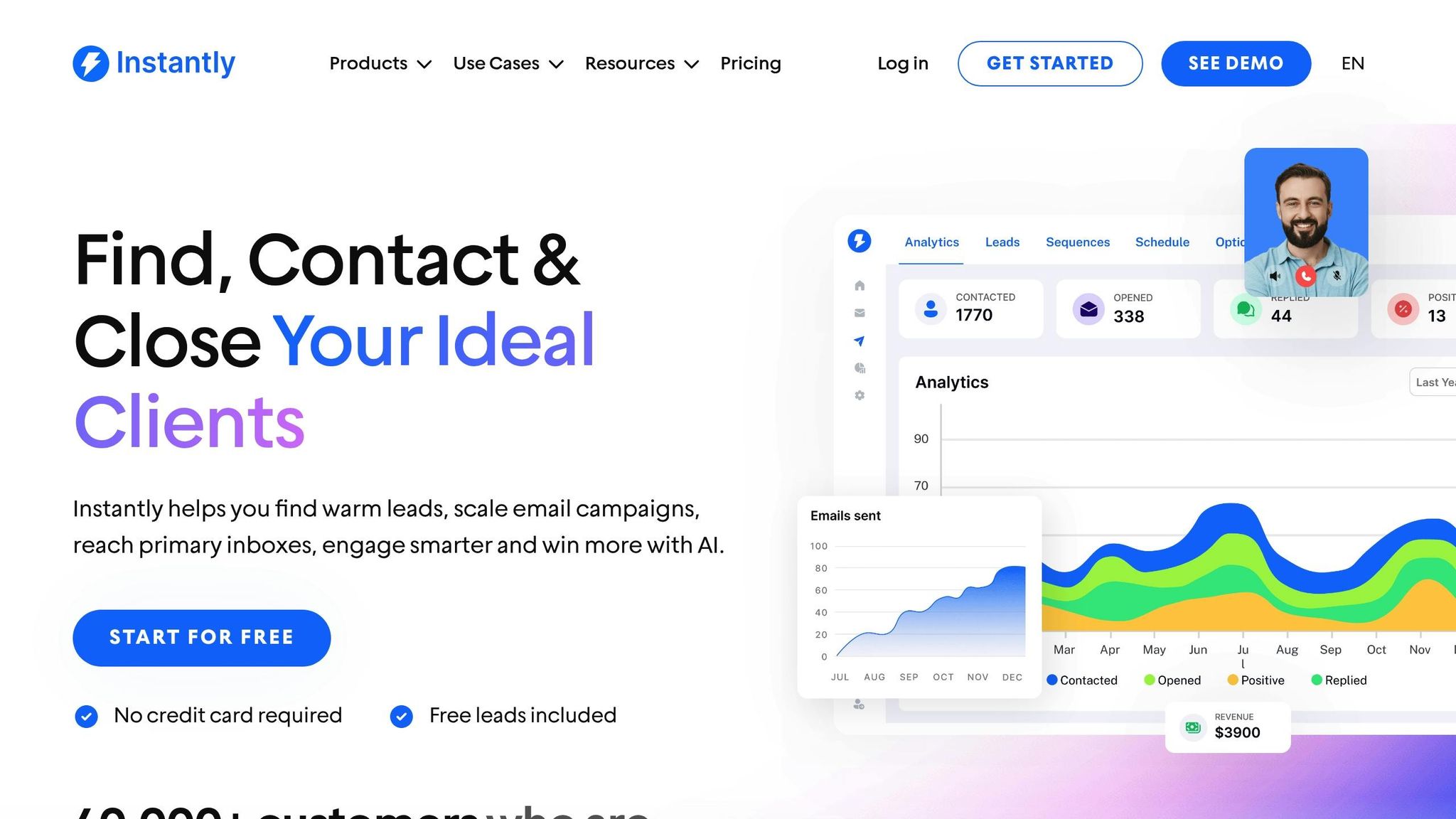
Instantly is all about helping smaller teams scale their email outreach efforts. By automating repetitive tasks, it allows you to run efficient campaigns without getting bogged down in manual work.
sbb-itb-8aac02d
Step-by-Step Guide to Generating Qualified Leads with AI
Getting started with AI-powered lead generation might seem daunting, but it doesn’t have to be. By following these steps, you can build a system that consistently brings in high-quality prospects while streamlining your workflow.
Define Your Ideal Customer Profile (ICP)
Start by analyzing your most successful customers. Look at factors like company size, industry, revenue, location, and technology stack. This analysis helps you set clear parameters for your ICP, while also identifying patterns that might signal potential churn.
AI can take this a step further by diving into your customer data to evaluate engagement and buying behaviors. These insights can reveal hidden opportunities and refine your ICP. Configure your AI tools to filter out leads with negative indicators, so you focus only on the most promising prospects.
Build and Enrich Lead Lists
With your ICP in place, use AI to effortlessly create and refine lead lists. AI-powered filters can help you target specific attributes, such as job titles, company size, technology usage, or recent funding events. Beyond just compiling lists, AI tools can enrich your data by adding details like email addresses, phone numbers, and social profiles.
AI can also flag intent signals, such as website visits or content downloads, ensuring your lists remain dynamic and up-to-date. This enriched data makes it easier to identify leads who are ready to engage.
Score and Qualify Leads
AI can simplify lead scoring by evaluating prospects based on criteria like company size, industry, funding history, tech stack, and engagement levels. As prospects interact with your website, emails, or other content, their scores can update in real time. High-scoring leads can be routed directly to sales, while moderate scorers might enter nurturing sequences for further engagement.
Behavioral scoring is another powerful tool. AI can assess actions like content downloads or website visits to refine a lead’s qualification status. Lower-scored leads may require additional nurturing before they’re ready for your sales team.
Personalize Outreach and Automate Follow-Ups
AI makes personalized outreach seamless. By analyzing prospect behavior and company data, you can tailor your messaging to feel relevant and timely. AI tools can also help schedule outreach at optimal times and coordinate multi-channel sequences, such as email, LinkedIn, and phone calls.
When crafting your outreach, consider recent company news or industry trends to make your messaging stand out. Automate follow-ups to maintain a steady, natural cadence without overwhelming your leads. Spacing out interactions thoughtfully keeps your communication engaging and professional.
Monitor Results and Fine-Tune Strategies
Track key metrics like open rates, response rates, and conversions in real time. These insights allow you to tweak your timing, messaging, and overall strategy for better results.
AI tools can also help identify patterns you might miss, such as which messaging resonates most with specific segments or the best times to reach your audience. Use this data to continually optimize your approach and stay ahead of the competition.
Best Practices for Maximizing Lead Quality with AI
Using AI for lead generation is about more than just setting up tools and letting them run on autopilot. The real difference between mediocre results and standout performance lies in how well you manage your data, combine automation with human expertise, and stay compliant with regulations. These steps ensure your AI tools deliver consistent, high-quality results throughout the sales process.
Keep CRM Data Accurate and Up-to-Date
Good data is the backbone of effective AI. If your CRM is filled with outdated contact details, incorrect company information, or duplicate entries, your AI will make decisions based on flawed inputs.
To avoid this, automate processes like duplicate detection, email validation, and regular data updates. Many AI tools can cross-check your records against external databases, flagging inconsistencies and keeping your information clean.
Pay close attention to lead source tracking. Knowing where your best leads originate allows your AI to focus on similar channels, improving its targeting. Make sure every lead entry includes detailed source information, from the first interaction to conversion.
Schedule monthly data audits to review metrics like bounce rates, response rates, and conversions. If you notice underperforming segments, dig deeper to determine if poor data quality or ineffective targeting is to blame.
Another smart move? Use progressive profiling. Instead of overwhelming leads with long forms upfront, collect additional details over time through follow-up interactions. This method not only improves data accuracy but also reduces the chances of form abandonment.
Balance Automation with Human Oversight
Accurate data fuels AI, but combining it with human expertise takes lead generation to the next level. A well-balanced approach ensures your strategies remain sharp and adaptable.
Route high-value leads to your top sales reps. For example, if your AI identifies a lead with a C-level title, make sure they’re handled by an experienced team member who can provide a more personalized experience. These leads often require a human touch to close the deal.
Regularly review AI-generated messages to ensure they reflect your brand’s tone and voice. While AI can handle personalization at scale, human input ensures the messaging feels authentic and aligns with your brand identity. Training your AI with examples of your best-performing messages can also refine its output over time.
Set up feedback loops between your sales team and AI systems. When sales reps flag leads as unqualified or identify recurring objections, feeding this information back into your AI models helps improve lead scoring and targeting.
Finally, train your team to recognize complex cases that require a hands-on approach. Not every prospect fits neatly into automated workflows, especially in industries with lengthy or nuanced sales cycles.
Ensure Compliance with U.S. Regulations
Legal compliance is a cornerstone of trustworthy AI operations. By incorporating U.S. data privacy and communication laws into your processes, you not only build trust but also ensure your AI tools operate effectively and responsibly.
For email outreach, follow the CAN-SPAM Act. This includes using clear sender identification, transparent subject lines, and simple unsubscribe options. Automate processes to handle opt-out requests promptly, as compliance is your responsibility even when AI is managing the workload.
When using phone or SMS outreach, adhere to TCPA regulations. Obtain proper consent before contacting prospects, maintain detailed records of that consent, and offer clear opt-out options.
With AI systems that learn from your data, establish strict data retention policies. Define how long you’ll keep prospect information and ensure your tools can delete data when necessary. Be prepared to honor data deletion requests under relevant privacy laws.
If your outreach extends internationally, pay attention to cross-border data transfer rules. Even if you’re based in the U.S., contacting overseas prospects may involve additional privacy regulations. Configure your AI systems to handle these requirements automatically.
Lastly, conduct regular compliance audits to review how your AI tools manage data, handle communications, and adhere to legal standards. This proactive approach helps you catch and fix potential issues before they escalate.
For added peace of mind, consult with legal counsel to review your AI-powered lead generation processes periodically. As regulations evolve, expert advice can help you stay ahead of the curve and avoid compliance pitfalls.
Conclusion: AI-Powered Lead Generation for Sales Success
AI is reshaping lead generation by replacing time-consuming manual efforts with smart, data-driven strategies that deliver real results. These tools showcase the strength of automation, allowing your team to focus on what they do best - closing deals.
But the benefits go far beyond saving time. AI-driven lead generation gives you an edge by identifying prospects you might otherwise miss, scaling personalized outreach, and fine-tuning your approach using real-world performance data. By combining automated lead identification with intelligent scoring systems and tailored engagement, you're not just generating more leads - you’re generating better ones that are more likely to convert.
The key to success lies in execution. Clean, reliable data ensures precise targeting, and companies that use AI as an assistant - rather than a replacement for human expertise - stand to gain the most. When used thoughtfully, these tools can significantly improve lead quality and free up your sales team to focus on relationship-building and deal-making.
Investing in AI-powered solutions today can set the foundation for long-term success as these systems adapt to your market and messaging needs. By refining your current methods and staying open to new advancements, you'll position your team to stay ahead in an ever-evolving landscape.
Future Opportunities with AI in Sales
The AI tools we see today are just the beginning. Predictive analytics will soon help sales teams pinpoint the best prospects and timing for outreach, improving efficiency and results. Natural language processing is advancing rapidly, promising AI-generated messages that feel as personal and engaging as those written by humans.
Voice AI is another exciting frontier. Emerging tools can handle initial prospect calls, qualify leads through live conversations, and even schedule follow-ups automatically. As AI platforms become more interconnected, we’re likely to see unified systems that manage every step of the sales process - from identifying prospects to closing deals.
Sales teams that adopt these technologies now will be better equipped to take advantage of future breakthroughs. The gap between early adopters and those who hesitate will only grow wider as AI continues to evolve. The question is: will your team step up and lead, or risk falling behind?
Start with a tool that addresses your current challenges, master its features, and expand your AI toolkit as you see results. The future of sales belongs to those who balance cutting-edge technology with the human touch that builds lasting business relationships.
FAQs
How can businesses keep their CRM data accurate and up-to-date while using AI-powered lead generation tools?
To keep your CRM data accurate and up to date while using AI-driven lead generation tools, prioritize data enrichment and ongoing monitoring. Data enrichment means adding precise, current details - like job titles, contact info, and company specifics - to your existing lead records. This makes your targeting sharper and your outreach more effective.
Make it a habit to regularly check key metrics, such as conversion rates, lead quality, and engagement levels. By doing so, you can assess performance and make any needed adjustments. This proactive strategy ensures your CRM stays a dependable tool for boosting sales.
How can companies effectively balance automation and human involvement in AI-driven lead generation?
To maintain the right mix of automation and human touch in AI-driven lead generation, it's crucial to integrate human oversight from the very beginning. This means involving experts to review and curate data, ensuring its quality and ethical use. By doing so, companies can minimize errors and reduce biases within the system.
Another key step is equipping teams with the skills to collaborate effectively with AI tools. While AI can take care of tasks like analyzing data and optimizing outreach timing, humans bring the ability to personalize interactions and nurture genuine relationships. By blending AI's speed and precision with human connection, businesses can create workflows that not only improve results but also build trust with potential leads.
How can businesses stay compliant with regulations like CAN-SPAM and TCPA when using AI tools for lead generation?
To comply with regulations like CAN-SPAM and TCPA when using AI tools for lead generation, businesses need to prioritize ethical data practices. Start by obtaining explicit consent before collecting or using personal information, and ensure transparency by providing clear privacy policies and easy-to-understand opt-in forms.
Equally crucial is safeguarding customer data through robust security measures. Regularly audit your AI processes to catch potential errors or misuse. And don’t rely solely on automation - pair AI-driven tools with human oversight to stay accountable and compliant with all relevant laws.