This article contains affiliate links. If you sign up for HubSpot through these links, we may earn a commission at no additional cost to you.
HubSpot is better for capturing and converting leads because it combines CRM, automation, and sales pipelines in one system. Semrush is better for generating traffic through SEO and keyword research. If your goal is faster lead-to-sale conversion, HubSpot is the stronger choice.
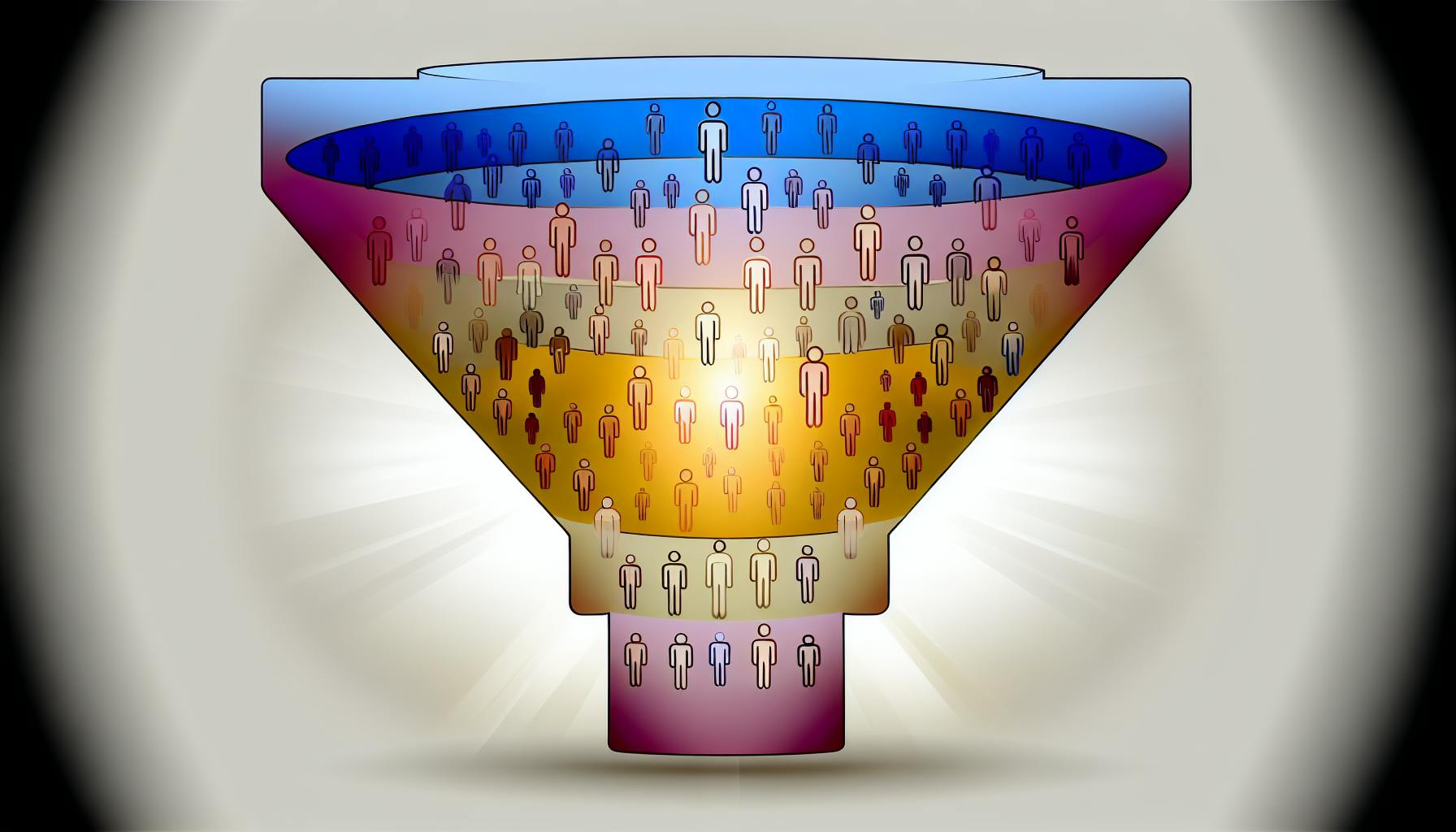
HubSpot CRM (Customer Relationship Management) and Semrush are both powerful platforms, but they solve very different parts of the revenue funnel. HubSpot focuses on turning visitors into qualified leads and guiding them through the entire sales pipeline, while Semrush specializes in attracting traffic through SEO and competitive keyword intelligence.
For businesses trying to grow revenue, the real question is not just which tool brings more traffic but which one helps you convert that traffic into paying customers faster. HubSpot’s AEO (Answer Engine Optimization) capabilities, CRM automation, and lifecycle tracking make it a strong choice for conversion-focused teams. Semrush, on the other hand, excels at top-of-funnel discovery but requires additional tools to manage leads and sales processes.
This comparison breaks down both platforms in terms of lead generation, conversion efficiency, and sales impact so you can decide which one truly helps you capture and close more leads in 2026.
Quick Rundown: HubSpot AEO vs Semrush for Leads & Sales
• HubSpot focuses on full-funnel lead generation, from first touch to closed deal
• Semrush focuses on SEO visibility, keyword research, and traffic acquisition
• HubSpot includes built-in CRM for tracking and nurturing leads
• Semrush requires external tools for lead management and sales pipelines
• HubSpot is optimized for conversions, while Semrush is optimized for discovery
HubSpot is a revenue conversion system, while Semrush is a traffic acquisition system.
HubSpot AEO vs Semrush: Lead Generation and Sales Impact
HubSpot CRM is designed to connect marketing, sales, and service into one unified system. With built-in automation, contact management, and deal tracking, HubSpot allows businesses to capture leads directly from forms, emails, chat, and landing pages, then automatically route them into pipelines for follow-up.
Semrush, by contrast, is primarily an SEO and content marketing platform. It helps businesses identify high-intent keywords, analyze competitors, and improve search rankings. While this drives traffic, it does not directly manage or nurture leads after they enter your system.
HubSpot operates in a market where CRM adoption is already mainstream, with over 90% of companies using a CRM system to manage customer data according to industry research.
At the same time, SEO remains one of the strongest acquisition channels, with search engines driving a major share of new brand discovery and traffic globally.
HubSpot’s Advantage in Lead Capture
HubSpot’s lead capture system is deeply integrated with its CRM, meaning every form submission or chatbot interaction becomes a tracked contact with behavioral data. This allows sales teams to prioritize leads based on engagement and buying intent.
Semrush’s Strength in Traffic Generation
Semrush excels at helping businesses attract organic traffic through keyword optimization, content gap analysis, and backlink strategies. However, it does not provide native tools for converting that traffic into structured sales opportunities.
Use Case Breakdown
• Startups → HubSpot is better for managing early-stage leads and conversions
• SEO agencies → Semrush is better for keyword research and content strategy
• SaaS companies → using both together delivers full funnel growth
Problem: Where Most Businesses Struggle with HubSpot AEO vs Semrush
Problem 1: Traffic Without Conversion Strategy
Many businesses using Semrush successfully increase website traffic but fail to convert visitors into leads due to the lack of integrated CRM and nurturing tools.
Problem 2: Disconnected Sales and Marketing Data
Without a unified system like HubSpot CRM, marketing and sales teams often work with fragmented data, leading to missed follow-ups and lower conversion rates.
Problem 3: Lack of Lead Prioritization
Semrush does not provide lead scoring or lifecycle tracking, making it difficult to identify high-value prospects compared to HubSpot’s automated scoring system.
Step-by-Step: How HubSpot Captures and Converts Leads Faster
Step One: Attract Visitors with Content and SEO Tools
Marketing Hub helps businesses publish optimized content that attracts organic traffic and qualified visitors.
Step Two: Capture Leads Through Smart Forms and CTAs
It converts visitors into leads using embedded forms, pop-ups, and personalized call-to-action elements connected directly to the CRM.
Step Three: Nurture Leads with Automation
Workflows automatically send emails, assign tasks, and trigger follow-ups based on user behavior and engagement signals.
Step Four: Score and Prioritize Leads
The system assigns lead scores based on activity, helping sales teams focus on the most promising prospects first.
Step Five: Close Deals Inside the CRM
Sales teams manage pipelines, track conversations, and close deals without leaving the platform.
Step-by-Step: How Semrush Drives Traffic and Generates Leads
Step One: Discover High-Intent Keywords
Semrush helps businesses identify keywords that potential customers are actively searching for, using tools like Keyword Magic Tool and search volume analysis.
Step Two: Analyze Competitors
Semrush allows users to study competitor domains, uncover top-performing pages, and find content gaps that can be turned into traffic opportunities.
Step Three: Build SEO Content Strategy
Marketers use Semrush to plan blog topics, optimize pages, and structure content around keywords that have high ranking potential and commercial intent.
Step Four: Optimize and Improve Rankings
With on-page SEO suggestions, backlink analysis, and site audit tools, Semrush helps improve search visibility and push content higher in Google results.
Step Five: Drive Traffic for Lead Capture Tools
Once traffic is generated, businesses connect Semrush-driven visitors to external systems like landing pages, CRMs, or email tools to convert them into leads.
Comprehensive Features Comparison: HubSpot AEO vs Semrush
The comparison below shows how HubSpot and Semrush differ across CRM, SEO, automation, and conversion capabilities.
| Feature Area | HubSpot AEO | Semrush |
|---|---|---|
| CRM and Contact Management | Fully built-in CRM that stores contacts, tracks interactions, and connects marketing and sales data in real time | No CRM included; contact management must be handled through external tools |
| Lead Generation and Capture | Native tools like forms, pop-ups, landing pages, and chatbots that feed directly into the CRM | No direct lead capture; focuses on driving traffic to external landing pages |
| SEO and Keyword Research | Basic SEO tools for content optimization, topic clusters, and on-page guidance | Advanced SEO suite with keyword research, backlink analysis, site audits, and competitor tracking |
| Marketing Automation | Powerful automation including email workflows, lead nurturing, behavioral triggers, and lifecycle campaigns | No marketing automation features available |
| Sales Pipeline Management | Full sales pipeline with deal tracking, stages, forecasting, and CRM-based closing tools | No sales pipeline functionality |
| Analytics and Reporting | End-to-end reporting across marketing, sales, and customer service performance | SEO-focused analytics including rankings, keyword visibility, and traffic estimates |
| Conversion Optimization | Strong conversion tools like lead scoring, personalization, and CRM-driven insights | Indirect conversion support through traffic generation only |
How to Choose Between HubSpot AEO and Semrush
Choose HubSpot AEO if your focus is sales and conversions
This platform is the better choice if your main goal is to capture leads, manage customer relationships, and close deals faster.
Choose Semrush if your focus is traffic and SEO growth
Semrush is the better choice if your priority is improving search rankings and increasing organic traffic.
Use both if you want full-funnel growth
Semrush brings traffic, HubSpot converts and closes it.
If your goal is to turn traffic into paying customers faster, you can try HubSpot for free and see how its CRM automation improves conversions.
FAQ: HubSpot AEO vs Semrush
Which platform is better for lead generation?
HubSpot is better for lead generation because it captures, tracks, and nurtures leads inside a built-in CRM system.
Can Semrush help increase sales directly?
Semrush does not directly manage sales, but it helps increase traffic that can later be converted using other tools like HubSpot.
When should businesses use HubSpot instead of Semrush?
When the goal is full-funnel lead management and conversion optimization.
Does HubSpot replace Semrush for SEO?
No. Semrush is deeper for SEO intelligence, while HubSpot focuses on SEO within a CRM system.
Which platform is better for small businesses?
HubSpot is better for small businesses due to its all-in-one CRM and automation tools.
Can HubSpot and Semrush be used together?
Yes. Semrush drives traffic, HubSpot converts it into customers.
Final Thoughts
HubSpot and Semrush both play important roles in modern growth strategies, but they are built for different outcomes in the funnel. Semrush is strongest at the top of the funnel, helping you understand search demand, target the right keywords, and consistently bring qualified traffic to your website. HubSpot, on the other hand, is built for what happens after that traffic arrives—turning visitors into leads, nurturing them through automation, and converting them into paying customers.
If your main challenge is visibility and getting found online, Semrush gives you the data and SEO tools to scale that effectively. But if your main challenge is turning interest into revenue, HubSpot provides the structure, CRM, and automation needed to move leads through the entire buying journey.
In most real-world growth setups, the strongest results come from using both together: Semrush to attract the right audience, and HubSpot to convert and close them efficiently.
Try HubSpot for free and see how it helps you capture leads, automate follow-ups, and close more deals faster.