This article contains affiliate links. If you sign up for HubSpot through these links, we may earn a commission at no additional cost to you.
Improving your sales funnel as a small business means creating a structured process, automating follow-ups, and using tools like HubSpot to track and convert leads consistently. A clear system helps turn interest into revenue without increasing your daily workload.
Many small businesses generate leads but struggle to convert them into paying customers. Messages are delayed, follow-ups are inconsistent, and opportunities are often missed without a proper system in place.
This is where HubSpot CRM becomes essential. Instead of relying on manual tracking, the platform helps you build a repeatable funnel that guides every lead from first contact to final sale.
Quick Rundown: How to Improve Your Sales Funnel
• Define clear funnel stages from awareness to purchase
• Capture and track every lead using a CRM
• Automate follow-ups with HubSpot workflows
• Personalize communication based on behavior
• Optimize your funnel using real-time data insights
What Is a Sales Funnel and Why It Matters for Small Businesses
A sales funnel is a structured process that guides potential customers through the customer journey, from awareness to purchase, using defined stages and actions.
A sales funnel is a step-by-step process that turns potential customers into paying customers through structured stages.
Many businesses refine this process further by applying a high-converting sales funnel framework that aligns each stage with clear customer actions.
A sales funnel becomes valuable in almost every part of a small business, especially when growth depends on consistent lead conversion. It brings clarity and consistency across your marketing and sales efforts.
Where a Sales Funnel Is Useful in Your Business
A sales funnel supports multiple areas of your business and ensures that no opportunity is wasted across your marketing and sales efforts.
Lead generation and marketing campaigns
A funnel helps capture and organize leads from ads, social media, or website forms. Tools like HubSpot Marketing Hub ensure that every new contact enters a structured journey instead of being forgotten. Businesses that want consistent results often combine this with proven lead generation strategies that automate how new prospects enter the funnel.
Sales follow-ups and deal closing
A funnel defines when and how to follow up with leads. With HubSpot CRM, businesses can track interactions and schedule the next step, making the sales process more intentional and timely. This becomes even more effective when supported by structured follow-up systems and scheduling workflows.
Customer onboarding and retention
Funnels guide customers after purchase, improving satisfaction and increasing repeat business through systems like HubSpot Service Hub.
Scaling operations and automation
As your business grows, manual tracking becomes inefficient. A funnel allows you to automate tasks, assign leads, and maintain consistency using HubSpot’s platform, especially when combined with CRM integrations that streamline workflows across teams.
What Happens If You Don’t Have a Sales Funnel
Without a structured sales funnel, growth becomes unpredictable and difficult to manage. Many small businesses operate this way without realizing the hidden cost.
Leads get lost or ignored
Without a system, there is no clear way to track inquiries or conversions, which leads to missed revenue opportunities.
Follow-ups become inconsistent
Some leads receive quick responses, while others are delayed or forgotten, reducing trust and lowering conversion rates. Many businesses solve this by using follow-up scheduling tools that ensure every lead receives a timely response.
Marketing efforts become inefficient
Traffic increases, but without a funnel, there is no clear path to conversion, resulting in wasted budget and effort.
No visibility into performance
Without defined stages, businesses cannot identify drop-off points or optimize their sales process effectively.
Growth becomes reactive instead of strategic
Businesses rely on memory instead of systems, which creates stress and limits scalability.
Why Having a Sales Funnel Changes Everything
A well-defined funnel transforms how a business operates by replacing guesswork with structured processes and automation.
Using HubSpot CRM, businesses can map each stage of the customer journey, assign actions, and automate communication. This ensures every lead receives the right message at the right time.
The result is a more predictable revenue stream, improved customer experience, and a scalable system that supports long-term growth.
Common Sales Funnel Problems Small Businesses Face
Small businesses often experience issues that limit funnel performance and reduce conversion rates.
• Leads are not properly tracked
• Follow-ups happen too late
• Messaging is not personalized
• No clear next step in the funnel
HubSpot CRM solves these issues by centralizing data, automating communication, and improving visibility.
How HubSpot CRM Improves Your Sales Funnel for Small Businesses
Unlike standalone tools, HubSpot software combines marketing, sales, and service features in one platform, making sales funnel optimization more efficient and easier to manage.
1. Centralized Contact Management with HubSpot CRM
HubSpot CRM stores all customer interactions in one place, allowing teams to track behavior and personalize communication across the entire customer journey.
2. Automated Lead Capture Using HubSpot Marketing Hub
HubSpot Marketing Hub captures leads from forms, landing pages, and chat tools. Every interaction automatically enters your funnel and strengthens your lead generation system.
3. Smarter Follow-Ups with HubSpot Workflows
HubSpot workflows automate follow-ups based on user behavior and engagement signals.
Consistent follow-ups play a critical role in conversion. Research shows that nurtured leads move through the sales funnel 23% faster than non-nurtured prospects. This explains why automation and personalization are essential in modern sales funnels.
• A lead fills out a form
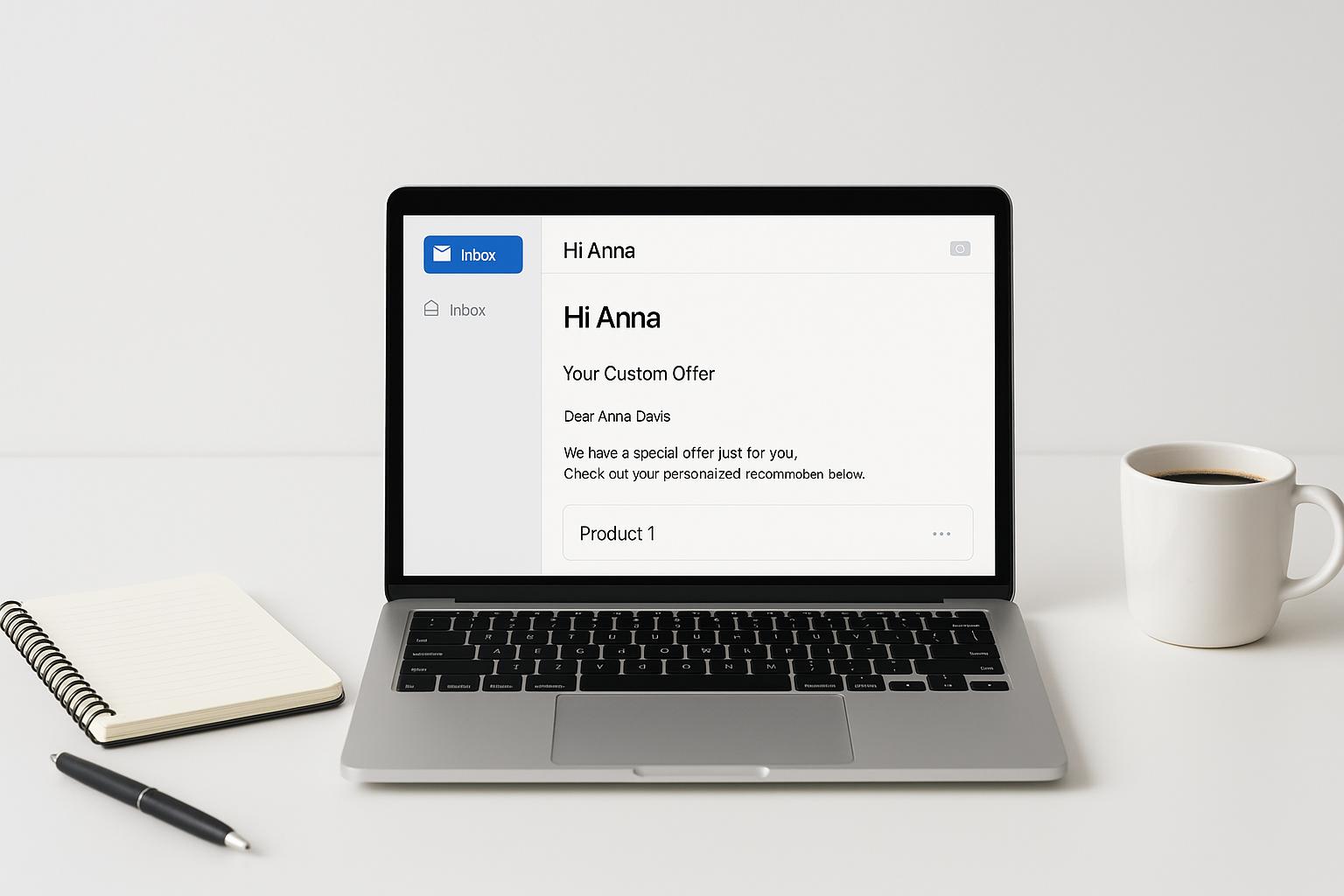
• HubSpot software sends a personalized email
• The system tracks engagement
• Sales teams get notified of high-intent leads
4. Pipeline Visibility with HubSpot Deal Tracking
HubSpot CRM provides a visual pipeline that helps businesses track deals and optimize their sales process using real-time data.
5. Better Customer Experience with HubSpot Service Hub
HubSpot Service Hub improves customer support and retention by managing interactions across the entire lifecycle.
How to Improve Your Sales Funnel Using HubSpot CRM (Step-by-Step)
Step 1: Define Your Funnel Stages
Identify stages such as awareness, consideration, and decision to structure your conversion funnel.
Step 2: Map Customer Actions
Understand actions such as downloads, clicks, and page visits within your customer journey.
Step 3: Set Up Automation
Use HubSpot workflows to automate emails, reminders, and lead assignments.
Step 4: Personalize Communication
Use HubSpot’s platform to tailor messaging based on behavior and preferences.
Step 5: Track and Optimize
Use HubSpot CRM analytics to identify drop-offs and improve your funnel continuously.
Key Benefits of HubSpot CRM for Sales Funnel Optimization
Businesses using structured CRM systems often see higher conversion rates because they maintain consistent follow-ups and improve lead tracking across the entire funnel. In fact, companies that excel at lead nurturing generate 50% more sales-ready leads at 33% lower cost, which highlights the impact of having a structured funnel.
• Improved conversion rates
• Better visibility
• Time efficiency
• Scalability
FAQ: HubSpot and Sales Funnel Optimization
How does HubSpot improve a sales funnel?
Here’s how HubSpot improves your funnel: it captures leads, tracks interactions, and automates follow-ups. This ensures consistent engagement and higher conversion rates.
What is HubSpot CRM best for?
HubSpot CRM is best for businesses that want to manage leads, automate marketing, and track customer interactions in one system. The key benefits of HubSpot CRM are centralized data, automation, and seamless integration across teams.
How does HubSpot compare to competitors?
HubSpot provides a complete customer lifecycle solution, while most competitors focus on specific tools. The software combines marketing, sales, and service functions, reducing the need for multiple platforms.
When should you use HubSpot for your industry?
You should use HubSpot CRM when your business needs structured growth, consistent lead management, and scalable automation. Service-based businesses use HubSpot Service Hub, e-commerce brands use HubSpot Marketing Hub, and B2B companies rely on HubSpot CRM.
Can small businesses use HubSpot effectively?
Yes, HubSpot CRM is designed for small businesses. Its free tools and scalable features make it easy to start and grow.
Does HubSpot require technical expertise?
No, HubSpot software is user-friendly and accessible even for non-technical users.
Final Thoughts: Build a Funnel That Converts
Improving your sales funnel is not about doing more work. It is about building a system that works consistently in the background.
Without structure, businesses struggle to convert leads and scale effectively. By using HubSpot CRM, you can create a predictable funnel that improves both conversions and customer experience.
If you want an all-in-one solution for sales funnel optimization, HubSpot’s platform is one of the most practical tools available today.
Try HubSpot CRM free to automate your sales funnel and start converting more leads into customers today.