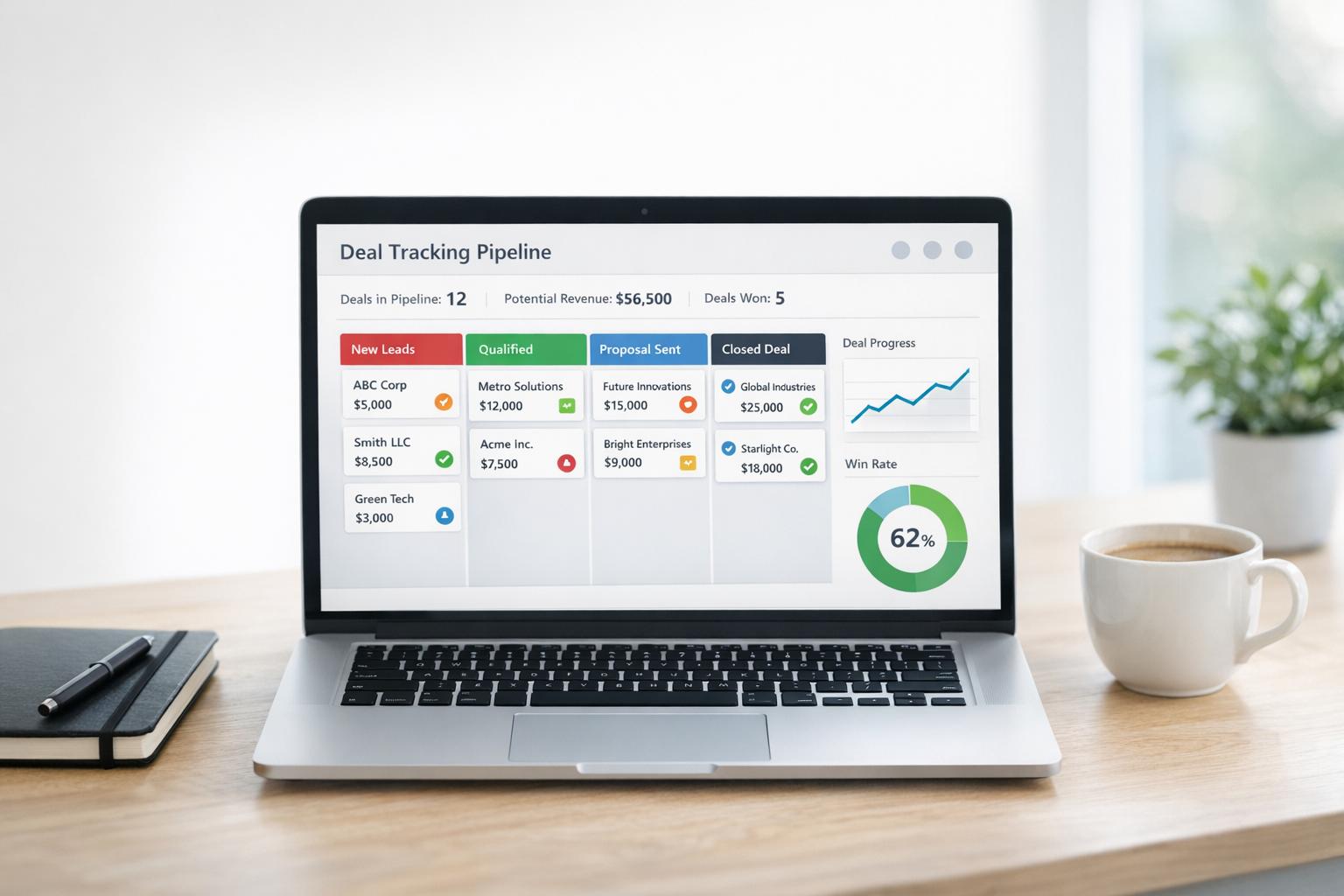
Real-time email personalization is reshaping how businesses engage with their audience. Unlike traditional email content that remains static after being sent, real-time personalization ensures emails update dynamically when opened, reflecting the most current data like inventory, pricing, or user behavior. This approach significantly increases engagement, with reply rates climbing by 30%-70%. Below are the top five tools leading this space in 2025:
- Insider: Ideal for enterprises, Insider uses a real-time customer data platform (CDP) to deliver dynamic content like live inventory updates and AI-powered recommendations. It integrates with CRMs like Salesforce and HubSpot and offers predictive insights to optimize campaigns.
- MoEngage: Designed for mid-size to enterprise B2C brands, MoEngage provides real-time triggers and dynamic email elements based on user actions. Its AI tools enhance customer journeys with churn prediction and send-time optimization.
- Optimizely: Known for its experimentation capabilities, Optimizely combines real-time personalization with robust A/B testing. It’s a strong choice for enterprises aiming to refine email strategies with predictive segmentation and dynamic content.
- Mutiny: Focused on B2B website personalization, Mutiny connects real-time visitor data with email campaigns, ensuring alignment between website behavior and email targeting. It’s particularly useful for account-based marketing.
- Smartwriter.ai: Perfect for small teams, startups, and freelancers, Smartwriter.ai automates cold outreach with AI-generated, personalized emails based on real-time prospect research.
Quick Comparison
| Tool | Best For | Key Features | Pricing | Integration Examples |
|---|---|---|---|---|
| Insider | Enterprises | Live inventory updates, AI recommendations, predictive insights | Custom | Salesforce, HubSpot |
| MoEngage | Mid-size to enterprise B2C | Real-time triggers, churn prediction, dynamic content | Custom | Salesforce, Zapier |
| Optimizely | Enterprises | A/B testing, predictive segmentation, dynamic content | From $8,000/mo | Salesforce, analytics tools |
| Mutiny | B2B account-based marketing | Real-time visitor data, website-email alignment | Custom | Salesforce, HubSpot |
| Smartwriter.ai | Startups, small teams | AI-generated cold emails, LinkedIn prospect research | Credit-based | Gmail, lightweight CRMs |
Each tool serves different business needs. Insider and MoEngage excel in multichannel personalization, Optimizely is ideal for data-driven testing, Mutiny bridges website and email strategies for B2B, and Smartwriter.ai simplifies cold outreach for smaller teams. Choose based on your team size, goals, and technical requirements.
How Does Real-time CRM Data Boost Email Personalization? - TheEmailToolbox.com
1. Insider

Insider is a platform designed to help enterprises deliver personalized experiences by unifying customer data and enabling real-time, omni-channel content. At its core, it uses a real-time customer data platform (CDP) to gather behavioral, transactional, and demographic data from various touchpoints - like website visits, mobile apps, email interactions, and offline systems - into a single, live user profile. For example, if a customer abandons their cart or browses a product, Insider can send a follow-up email within seconds.
Real-Time Data Processing
Insider captures user interactions as they happen. U.S. businesses can integrate the platform using JavaScript, mobile SDKs, APIs, or through CRM and ecommerce tools. Profiles are updated instantly, enabling businesses to segment audiences based on behaviors, lifecycle stages, or predicted intent, without waiting for batch updates. For instance, your CRM (like Salesforce or HubSpot) can share core customer details - such as lead status or lifecycle stage - with Insider, while Insider provides engagement insights like email opens, clicks, product preferences, churn risks, and high-intent indicators. This seamless data exchange supports Insider’s ability to deliver dynamic, personalized email campaigns.
Email Personalization Options
Insider’s platform takes email personalization to the next level with dynamic content that updates when the recipient opens the email. You can include AI-powered recommendation widgets like "Recently viewed", "Frequently bought together", or "Recommended for you" to reflect user activity directly in email templates. Additionally, real-time elements - such as live inventory updates, geo-specific content, or countdown timers - can display current pricing or stock levels, making them perfect for flash sales or location-based promotions. For example, a cart-abandonment email might feature live product images, updated stock availability, and a countdown for a free-shipping offer.
AI and Prediction Features
At the heart of Insider’s capabilities is Sirius AI, its machine learning engine. This tool predicts behaviors like identifying high-intent buyers, assessing churn risk, gauging price sensitivity, and suggesting the best communication channels. It can automatically create audience segments, such as "high-intent users from the past week", and optimize email send times and subject lines to drive engagement. The platform also automates A/B testing, selecting the best-performing content for future campaigns. Predictive sending can increase open rates by up to 70%, with a deliverability rate of 99%. For instance, a U.S. ecommerce brand might use churn-risk predictions to send win-back emails with special incentives or target high-intent users with limited-time offers after they’ve shown interest in specific products.
CRM and Sales Platform Integrations
Insider integrates seamlessly with popular CRMs, marketing automation platforms, and ecommerce tools in the U.S., including Salesforce and HubSpot. These integrations ensure smooth, two-way syncing of customer data. By combining Insider’s behavioral and predictive insights with CRM data, sales teams can focus on high-intent leads and align their outreach with marketing-driven email strategies.
Pricing for U.S. Businesses
Insider operates on an enterprise/SaaS pricing model, offering custom quotes based on factors like the number of monthly active users, the channels used (email, web, mobile, etc.), the features selected (AI, CDP, testing), and the level of support needed. Smaller U.S. businesses might find the initial costs challenging, but they can negotiate packages focused on email and web personalization with limited channels or volumes. Larger enterprises with higher traffic and complex needs typically sign annual or multi-year contracts, with costs ranging from five to six figures (in US dollars) per year. These packages often include advanced AI capabilities, multi-channel orchestration, and dedicated customer success resources.
Implementation Timeline
For a mid-sized U.S. company, implementation typically takes 4–8 weeks from signing the contract to launching the first campaigns. The process generally includes:
- Discovery: Aligning business goals with Insider’s features.
- Technical Setup: Installing SDKs, configuring APIs, and connecting tools like CRM, ecommerce, and analytics platforms.
- Audience Setup: Activating AI-powered audience segmentation and defining key groups.
- Template Building: Designing email templates with dynamic content and setting up triggers.
- Testing: Running A/B tests, validating tracking, and fine-tuning campaigns before scaling.
For enterprises with complex systems or strict compliance requirements, the timeline may extend beyond this range.
Insider is a robust platform for real-time personalization and cross-channel orchestration, making it particularly effective for B2C ecommerce, travel, and retail companies looking to unify customer profiles and deliver tailored experiences.
2. MoEngage

MoEngage specializes in delivering personalized, real-time messaging across email, mobile, and web. By combining behavioral analytics with real-time triggers, the platform ensures emails are sent based on users' current actions, creating highly relevant experiences for recipients.
Real-Time Data Processing
MoEngage processes user activity as it happens, allowing email campaigns to react within minutes to actions like product views, cart additions, or app engagement. For U.S. marketers running campaigns with tight deadlines - like flash sales or abandoned cart reminders - this immediacy often translates to better open and conversion rates. For instance, if a customer browses a specific product or reaches a milestone in your app, MoEngage can instantly send a tailored email. This quick response capability forms the backbone of its personalization options.
Email Personalization Options
MoEngage offers dynamic content blocks that adapt to each user's behavior and preferences. You can customize elements like hero images, offers, and calls-to-action based on browsing habits, cart updates, or purchase history. The platform also provides real-time recommendations for products or content, tailored to what users have recently viewed or purchased. For example, an ecommerce business in the U.S. might send emails suggesting items related to a customer's last-viewed products, while a mobile app could craft messages around recent in-app achievements or trials.
Standard personalization fields, such as name, location, and lifecycle stage, can be combined with behavioral data. This allows for highly specific campaigns, like geo-targeted offers aligned with browsing interests. Additionally, smart triggers help segment audiences by factors like funnel stage, activity frequency, and custom events, ensuring messages are sent at the most effective times.
AI and Prediction Features
MoEngage leverages AI to refine customer journeys and predict user behavior. With features like churn risk and purchase intent scoring, the platform helps prioritize valuable segments and re-engage users who might otherwise leave. Send-time optimization ensures emails arrive when users are most likely to interact with them. By combining AI insights with behavioral data, MoEngage focuses on user intent rather than static profiles, making its messaging more impactful. These predictive tools also integrate seamlessly with CRM systems, enhancing their functionality.
CRM and Sales Platform Integrations
MoEngage integrates with popular CRM and sales platforms like Salesforce and HubSpot, as well as middleware tools like Zapier. This two-way sync ensures contact attributes, events, and campaign metrics flow smoothly between systems. For U.S. businesses, this setup allows precise targeting based on CRM data while feeding conversion metrics back into the CRM to refine lead scoring and sales pipelines. MoEngage fits naturally into these ecosystems, enabling marketing and sales teams to work together more effectively.
Pricing for U.S. Businesses
MoEngage operates on a tiered, usage-based pricing model, which considers active users, channels, and features. Instead of fixed pricing, the platform provides custom quotes tailored to your needs. For small U.S. businesses with fewer than 50 employees, entry-level plans typically include a limited number of active users and focus on essential channels like email and push notifications. This keeps costs manageable while still offering automation and basic personalization. As your user base and message volume grow, pricing adjusts accordingly. When evaluating costs, it's important to consider metrics like the cost per 1,000 active users or monthly message volume to ensure the platform's features align with your budget.
Implementation Timeline
The time required for implementation varies, ranging from a few weeks for small businesses to several months for larger organizations with complex, multi-channel setups. Having a dedicated marketing operations team, whether in-house or through an agency, can significantly speed up the process. MoEngage is particularly effective for U.S. businesses in retail, ecommerce, subscription apps, and fintech, where responding to user behavior in real time is crucial. Common use cases include abandoned cart recovery, price-drop alerts, back-in-stock notifications, onboarding emails, and inactivity reminders. These real-time triggers can help recover revenue and reduce churn, especially during the early stages of the customer journey.
3. Optimizely
Optimizely combines real-time email personalization with robust experimentation tools, making it a powerful platform for testing and refining campaigns. Unlike tools that focus solely on email, Optimizely integrates email personalization into a broader digital strategy, covering web, mobile apps, and other channels. This approach ensures a seamless experience across multiple touchpoints, aligning email efforts with a comprehensive digital presence.
Real-Time Data Processing
One of Optimizely's standout features is its ability to process customer data in real time. It captures behavioral signals - like browsing history, product views, and engagement patterns - and uses them to deliver highly personalized emails within seconds. This immediacy is ideal for time-sensitive campaigns, such as flash sales or limited-time offers. For small businesses, the platform's speed and channel-aware logic mean you can deliver relevant experiences without needing a sophisticated technical setup, ensuring consistency across devices.
Email Personalization Options
Optimizely takes email personalization to the next level by transforming real-time insights into dynamic, tailored content. Instead of just adding a recipient's name, the platform uses dynamic content blocks that adjust based on individual preferences, behaviors, and context. You can create emails with personalized recommendations, offers, and calls-to-action, all driven by real-time data. It also supports behavioral triggers, such as sending follow-up emails after cart abandonment or visits to specific product pages. With its next-best-offer functionality powered by AI, Optimizely analyzes customer data and past interactions to deliver highly targeted suggestions, moving beyond basic segmentation to create truly customized experiences.
AI and Prediction Features
Optimizely leverages machine learning to refine various aspects of email campaigns. Its predictive tools identify the best times to send emails based on historical user behavior, ensuring messages land when recipients are most likely to engage. AI-driven segmentation highlights high-value customers and flags accounts at risk of churn, helping marketers focus their efforts effectively. The platform also includes built-in A/B testing for subject lines, content variations, and send times, allowing for continuous improvement. In higher-tier plans, AI-powered recommendations further enhance personalization, automatically optimizing content to boost engagement.
CRM Integrations
Like other leading platforms, Optimizely integrates seamlessly with major CRM and marketing automation systems. Through APIs and native connections, it ensures that customer data flows smoothly between systems. This integration allows sales teams to use email engagement insights directly within their existing workflows. For instance, data from an email campaign can update a CRM automatically, helping prioritize follow-ups. While this functionality enhances existing CRM tools, implementing it often requires technical expertise or professional support.
Pricing for U.S. Businesses
Optimizely's advanced capabilities come with a premium price tag. The platform offers two main pricing tiers: the Salesforce Personalization plan, starting at $8,000 per month, and the Marketing Cloud Personalization+ plan at $15,000 per month. The higher-tier plan includes features like AI-driven recommendations, enhanced experimentation tools, mobile app personalization, and Agentforce decisioning. These pricing levels make Optimizely a better fit for mid-to-large enterprises rather than small businesses. Organizations should carefully assess whether its features align with their marketing goals before committing.
Implementation Timeline
Setting up Optimizely typically takes between 4 and 12 weeks, depending on the complexity of your organization and the scope of your personalization goals. The process includes phases like discovery, technical integration, segmentation setup, rule configuration, and testing. To ensure a smooth rollout, businesses should allocate resources, including a project manager, marketing operations specialist, technical developer, and key stakeholders. While Optimizely offers professional services to speed up deployment, partnering with a certified expert can streamline the process further, though it may increase costs.
Optimizely is particularly effective across industries like e-commerce, SaaS, and financial services. E-commerce companies benefit from features like real-time product recommendations and abandoned cart recovery. SaaS organizations can use predictive analytics and feature-usage tracking to boost customer retention. Meanwhile, financial services firms appreciate its secure, compliance-friendly framework that enables personalized communication based on customer profiles and transaction histories.
sbb-itb-8aac02d
4. Mutiny

Mutiny takes a different approach by focusing on B2B website personalization to fine-tune email targeting. Instead of directly improving email content, it captures real-time visitor data and behavioral cues to create personalized web experiences. These insights then inform email marketing strategies - a major advantage for B2B companies using account-based marketing campaigns, where aligning website content with email messaging is crucial. By connecting online behavior with tailored campaigns, Mutiny helps refine email targeting in a meaningful way.
Real-Time Data Processing
Mutiny’s real-time engine gathers visitor data the moment someone lands on your website. It collects firmographic details like company size, industry, and location, along with behavioral data such as pages viewed and time spent on-site. Using IP-based identification and CRM or ABM integrations, it builds detailed visitor profiles instantly. This allows Mutiny to deliver tailored content and offers for each visitor. For email marketers, these insights enable the quick launch of targeted email sequences based on user behavior in real time.
Email Personalization Options
While Mutiny isn’t a traditional email service provider, it enhances email personalization through its data-sharing capabilities. It identifies your most engaged website visitors and feeds that information into your marketing automation tools, making it easier to run highly targeted campaigns. These insights ensure that emails are timely and relevant. For example, if a visitor interacts with industry-specific content on your site, follow-up emails can reflect that same focus. This alignment between website personalization and email messaging creates a seamless experience, allowing you to craft segment-specific journeys instead of relying on generic email campaigns.
AI and Prediction Features
Mutiny uses AI-driven tools to boost personalization across your website and support your email strategy. By running machine learning experiments, it tests different messaging and content layouts simultaneously to find what works best. This predictive technology eliminates the need for lengthy manual A/B testing and speeds up the optimization process. Email marketers can use these insights to validate ideas on the website before scaling them into larger email campaigns, ensuring consistency and impact.
CRM Integrations
Mutiny integrates smoothly with major CRM platforms like Salesforce and HubSpot, syncing its insights directly with your sales process. When prospects engage with personalized content on your site, that data is automatically updated in your CRM. This integration is particularly useful for account-based marketing teams, as it creates a feedback loop where website interactions shape email outreach, and email campaigns further refine website personalization.
Pricing for U.S. Businesses
Mutiny operates on a custom pricing model designed for mid-market and enterprise companies. It’s best suited for businesses with high website traffic and established sales and CRM systems. Larger organizations and rapidly growing B2B SaaS companies often see Mutiny as a tool that drives measurable revenue impact, making the investment worthwhile. Pricing details aren’t publicly available, so you’ll need to request a demo and discuss specifics with their sales team.
Implementation Considerations
Before adopting Mutiny, businesses in the U.S. should weigh several factors. High website traffic is essential for maximizing personalization opportunities, and seamless integration with your existing CRM, marketing automation, and analytics tools is a must. It’s also important to ensure your team is prepared to use the platform’s continuous optimization features effectively. Additionally, compliance with data privacy regulations like CCPA should be a priority. While Mutiny offers considerable benefits for B2B companies with complex sales cycles, those focused solely on email optimization might find a dedicated email platform more cost-effective.
5. Smartwriter.ai

Smartwriter.ai streamlines cold outreach for sales teams and solo entrepreneurs by automating the creation of personalized messages. Instead of requiring complex setups, it uses AI to research prospects and generate tailored emails, making it easier to scale outreach efforts without hiring additional copywriters. Its standout feature is the ability to deliver personalized, AI-generated content instantly, simplifying the cold email process.
Real-Time Data Processing
To create detailed prospect profiles, Smartwriter.ai scans LinkedIn profiles, company websites, and other publicly available information. It pulls data such as recent company news, social media activity, job postings, and industry trends. This real-time research enables the platform to craft highly relevant email content in just minutes, making it a practical choice for smaller teams that lack advanced data tools.
Email Personalization Options
Smartwriter.ai offers several ways to personalize emails. For example, users can create cold emails referencing a prospect’s recent LinkedIn activity, highlight company milestones in icebreakers, or tailor product pitches to address specific industry challenges. The tool also supports personalized follow-up sequences that build on previous messages instead of repeating generic content. Its flexibility makes it suitable for a range of use cases, including B2B sales, partnership proposals, and recruitment outreach. These features make it easier to craft messages that resonate with recipients.
AI and Prediction Features
The platform’s AI engine focuses on natural language generation, analyzing successful email patterns to create messages that feel human. While it doesn’t predict which prospects are most likely to respond, it does optimize email content to improve engagement. Over time, the AI adapts to user preferences, learning from adjustments you make to tone or phrasing, so future outputs align more closely with your style.
CRM Integrations
Smartwriter.ai offers basic CRM integration designed for smaller sales teams. Instead of deep, two-way syncing, it provides simple options for exporting emails directly to your email client or copying them into your preferred outreach platform. This lightweight approach allows the tool to function as a content creation layer within your existing sales workflow. Its integration capabilities, while limited, are aligned with its focus on simplicity and ease of use.
Pricing for U.S. Businesses
The platform uses a credit-based pricing model and includes a 7-day free trial with no credit card required. Each email generated consumes credits, so users need to manage their monthly allocation carefully. If credits run out, you’ll need to either upgrade your plan or wait for the next billing cycle. Pricing tiers aren’t publicly available, so businesses should request a demo to determine which plan aligns with their outreach needs.
Implementation Considerations
Smartwriter.ai is particularly well-suited for U.S. businesses that prioritize speed and simplicity, such as startups, freelancers, or small sales teams without dedicated marketing staff. However, the credit-based system requires careful planning to avoid disruptions, especially for teams with fluctuating outreach needs. While the AI generates content quickly, it’s essential to review emails to ensure they align with your brand’s voice. Additionally, businesses should be mindful of data privacy regulations, such as the CCPA, when using a tool that relies on publicly available information.
Comparison Table
When selecting a tool, consider factors like your business size, outreach volume, and whether your focus is on cold prospecting or customer retention. The table below provides an at-a-glance summary of each tool's strengths and ideal use cases.
| Tool | Best For | Real-Time Features | Key Integrations | Price | Ideal Team Size |
|---|---|---|---|---|---|
| Insider | Enterprise customer engagement | AI-powered personalization with Sirius AI, next-best channel predictions, send-time optimization, live user profile updates | Multi-channel (email, SMS, push, WhatsApp), CRM systems, behavioral analytics | Custom pricing | Large enterprises with dedicated marketing teams |
| MoEngage | B2C customer retention | Real-time behavioral triggers, dynamic push notifications, AI-powered journey optimization, smart triggers based on funnel stage and user activity | Multi-channel orchestration, behavioral analytics, mobile app integration | Custom pricing | Mid-size to enterprise consumer brands |
| Optimizely | Data-driven experimentation | A/B testing with auto-selection of winners, predictive segmentation, real-time content adaptation | Enterprise CRM systems, analytics platforms, marketing automation tools | Custom pricing | Enterprises with technical resources |
| Mutiny | B2B website personalization | Account-based personalization, real-time visitor identification, dynamic content adaptation | CRM systems, sales engagement platforms, marketing automation | Custom pricing | B2B companies with high-value accounts |
| Smartwriter.ai | Cold outreach automation | AI prospect research, personalized opener generation, LinkedIn activity scanning | Gmail, basic email clients, lightweight CRM export | Credit-based (request demo) | Startups, freelancers, small sales teams |
The table above highlights the tools' core features and how they align with different business needs. Here’s a deeper dive into what makes each option stand out:
For enterprise customer retention, Insider and MoEngage offer advanced real-time personalization across multiple channels. Insider's Sirius AI predicts the best channels and optimizes send times, while MoEngage uses behavioral analytics to trigger content tailored to live user intent. These platforms are ideal for managing complex, large-scale customer journeys.
If your focus is on B2B account-based marketing, Mutiny shines with its ability to personalize website experiences for high-value accounts. It complements email campaigns by identifying visitors in real time and adapting content dynamically, creating a seamless personalization strategy.
For those prioritizing experimentation, Optimizely is a strong choice. Its A/B testing capabilities, paired with auto-selection of winning variations, make it a go-to for data-driven teams looking to refine their strategies.
On the other hand, Smartwriter.ai caters to startups and small sales teams focusing on cold outreach. Its credit-based pricing model and quick setup make it an excellent option for teams that need fast, personalized email campaigns without the complexity of enterprise tools.
Integration and Deployment Considerations
Each tool integrates with essential CRM and sales platforms, but deployment times vary. For example:
- Smartwriter.ai is designed for non-technical users, offering a simple setup for rapid adoption.
- Insider requires some time to master, though users on G2 note that its customer support is highly responsive during the onboarding process.
- MoEngage and Optimizely, as enterprise solutions, typically require more implementation time and may need dedicated technical resources or professional services.
When choosing a tool, align your decision with your primary goals. If you're managing thousands of users across multiple channels, enterprise platforms like Insider or MoEngage justify their custom pricing with their robust features and predictive intelligence. However, if you're a startup or small team focused on cold prospecting, Smartwriter.ai's simplicity and credit-based model might be the better fit.
This comparison highlights how different tools cater to varied business needs, balancing complexity, speed, and cost-effectiveness. Whether you’re orchestrating multi-channel customer journeys or running targeted cold outreach campaigns, selecting the right tool ensures your strategy scales effectively.
Conclusion
Real-time email personalization tools have become a game-changer for sales teams aiming to respond to customer intent in milliseconds instead of hours. These platforms bring prospects into focus at their peak moment of interest by continuously syncing user actions across all touchpoints into a single, live view. This dynamic approach allows for messages that align perfectly with where the individual is in their journey. The result? Tangible performance boosts.
Reports on AI-powered personalization reveal impressive outcomes: reply rates doubling, success rates climbing as high as 60%, and personalized introductions being automated 9,000% faster than manual SDR efforts - all while being 68% more cost-effective than skilled SDRs for creating impactful first touchpoints at scale.
The difference between basic and real-time personalization is crucial. Basic personalization relies on static details, like inserting a prospect's name into an email. In contrast, real-time personalization taps into live behavioral data, delivering content that resonates with what the prospect is experiencing right now.
Before selecting a tool, take a close look at your team’s needs. Think about your current outreach volume, future growth plans, technical capabilities, and CRM setup. Also, consider whether your focus is on cold prospecting or nurturing existing customers. Enterprise platforms like Insider and MoEngage offer custom pricing models and are ideal for large-scale operations, providing advanced multichannel orchestration and predictive insights. For smaller teams or startups, tools like Smartwriter.ai offer a simpler, more accessible solution. The best tool will seamlessly align with your overall sales strategy.
If you're looking to expand your sales strategy beyond email personalization, Sales, Leads & CRM is a valuable resource. It features a curated directory of top-tier solutions for lead generation, LinkedIn automation, CRM integration, email verification, and multi-channel prospecting. These tools can complement your personalization efforts, helping you find qualified leads, manage your sales pipeline, and scale campaigns across various platforms.
FAQs
How does real-time email personalization boost engagement compared to traditional email marketing?
Real-time email personalization transforms how businesses connect with their audience by crafting emails that match each recipient's preferences, actions, and needs at the exact moment they engage with the message. Unlike the one-size-fits-all approach of traditional email marketing, this method adjusts subject lines, offers, and content dynamically. It factors in details like a user's location, browsing habits, or recent purchases.
This tailored approach makes emails more relevant and engaging, boosting the chances of recipients opening them, clicking on links, and completing desired actions. By delivering content that feels personal, businesses can strengthen customer relationships and achieve better outcomes.
What should businesses look for in a real-time email personalization tool?
When choosing a real-time email personalization tool, it's important to weigh a few critical factors like features, cost, and how well it aligns with your business goals. Prioritize tools that provide robust customization options, integrate smoothly with your current systems, and can grow alongside your business.
Take a close look at the pricing structure to ensure it works within your budget while offering solid value for the features included. Also, think about your specific objectives - whether that's enhancing customer engagement, driving more sales, or simplifying your email campaigns - and pick a tool designed to meet those particular needs.
Are real-time email personalization tools suitable for small businesses, or are they better for large companies?
Real-time email personalization tools can work wonders for small businesses. These tools are often designed to be both scalable and easy to use, making them a practical option for businesses of any size. They empower small businesses to craft customized email campaigns that connect with their audience on a deeper level, boosting engagement and driving conversions.
What’s even better? Many of these tools come with budget-friendly pricing plans, making them accessible even for smaller operations. Features like AI-powered insights, automation, and pre-designed templates make it simple to create professional, personalized emails. This levels the playing field, allowing small businesses to offer tailored customer experiences that rival those of larger companies - all without needing a massive investment in time or resources.