This article contains affiliate links. If you sign up for HubSpot through our links, we may earn a commission at no additional cost to you.
HubSpot, Salesforce, Zoho CRM, Applied Epic, and Pipedrive are among the leading CRM platforms that help insurance agencies organize client relationships, manage policy renewals, automate follow-ups, and improve sales performance. While these platforms share many core CRM capabilities, they differ in their ease of use, automation, integrations, reporting, and scalability, making some better suited to certain agencies than others.
Insurance agencies manage much more than policy sales. Agents regularly handle new business inquiries, policy renewals, endorsements, claims assistance, compliance requirements, and long-term client relationships. As an agency grows, relying on spreadsheets, email inboxes, and disconnected systems can make it increasingly difficult to deliver timely service and maintain a consistent customer experience.
That's why many agencies invest in customer relationship management (CRM) software. A CRM provides a centralized place to organize contacts, record every interaction, automate repetitive tasks, manage sales opportunities, and gain better visibility into agency performance. Instead of switching between multiple applications, agents can manage prospects, policyholders, and renewal opportunities from a single platform.
This guide compares five of the leading CRM platforms for insurance agencies, examining their features, strengths, limitations, pricing, and ideal use cases to help you choose the solution that best supports your agency today and as it grows.
Quick Answer
The best CRM platforms for insurance agencies help agents organize client information, manage policy renewals, automate follow-ups, track sales opportunities, and improve collaboration across the agency. HubSpot, Salesforce, Zoho CRM, Applied Epic, and Pipedrive all offer these capabilities to varying degrees, but the right choice depends on your agency size, business model, existing software, and long-term growth plans.
Why Insurance Agencies Need CRM Software
Insurance is built on long-term relationships rather than one-time transactions. Clients may hold multiple policies, request coverage changes, submit claims, and renew policies over many years. Keeping every interaction organized is essential for delivering excellent customer service while maintaining strong retention rates and identifying opportunities to expand coverage.
A CRM centralizes policyholder information, communication history, appointments, renewal schedules, sales opportunities, and service requests in one place. This shared visibility allows agents to respond more quickly, collaborate more effectively, and provide a more consistent customer experience throughout the policy lifecycle.
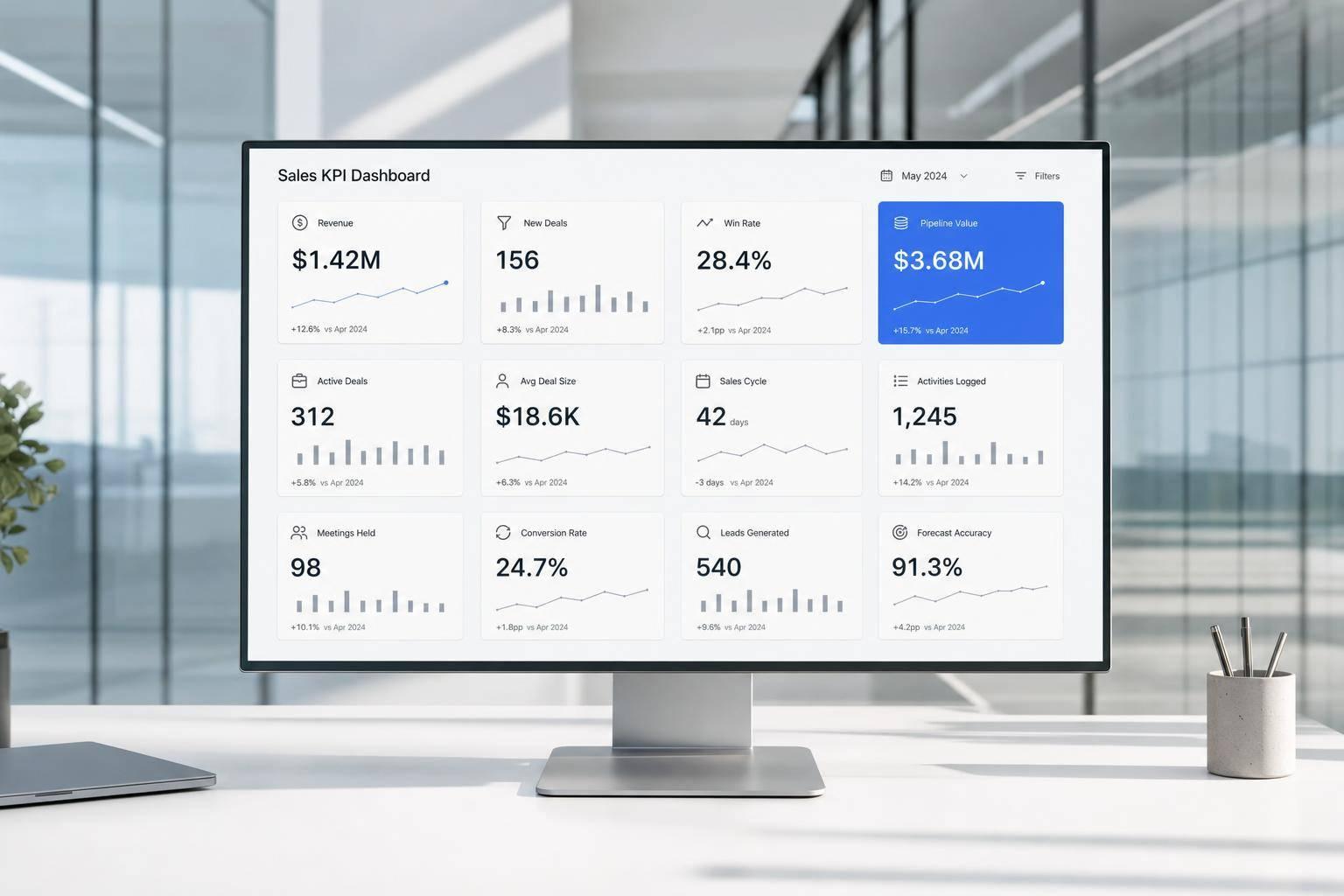
Agency owners also benefit from having better visibility into business performance. Modern CRM platforms provide dashboards that track lead sources, policy sales, renewals, retention rates, producer performance, and revenue trends. Instead of relying on manual spreadsheets or disconnected reports, managers can monitor performance in real time and make more informed business decisions.
If you're evaluating CRM software for the first time, understanding the fundamentals of customer relationship management software can help you compare the capabilities offered by different platforms and identify the features your agency needs most.
Industry organizations such as the Independent Insurance Agents & Brokers of America (Big "I") also highlight the importance of technology in improving operational efficiency, strengthening customer relationships, and supporting long-term agency growth.
What to Look for in a CRM for Insurance Agencies
Contact and Policyholder Management
A CRM should make it easy to organize personal and commercial insurance clients while maintaining a complete record of policies, communications, claims, endorsements, renewals, and service requests. Having every interaction available in one place helps agents provide faster, more personalized service.
Lead Management
Insurance agencies receive leads from websites, referrals, social media, advertising campaigns, comparison websites, and existing clients. A CRM should automatically capture these inquiries, assign them to the appropriate agent, and track every opportunity until it becomes a policyholder or is marked as lost.
Policy Renewal Management
Renewals are one of the most valuable revenue opportunities for any insurance agency. A CRM should help agents monitor renewal dates, automate reminder emails, schedule follow-up tasks, and identify policies that require attention before they expire. Proactive renewal management not only protects recurring revenue but also improves customer retention.
Sales Pipeline Tracking
Insurance sales often progress through multiple stages, including initial inquiry, needs assessment, quotation, underwriting, proposal, policy issuance, and renewal.
A CRM should provide visual pipeline management so producers can immediately see where every opportunity stands. Agencies looking to improve sales consistency can also benefit from understanding sales pipeline management, including the stages, metrics, and best practices that help move opportunities toward conversion.
Workflow Automation
Administrative work can consume a significant portion of an insurance agent's day. Workflow automation reduces repetitive tasks by assigning follow-up activities, sending renewal reminders, notifying team members about policy updates, and automating routine customer communications. This allows agents to spend more time advising clients and growing the business.
Reporting and Analytics
A CRM should provide reporting that extends beyond policy sales by offering insight into lead conversion rates, renewal performance, client retention, producer productivity, and revenue trends.
Tracking the right sales metrics and KPIs helps agency owners identify growth opportunities, evaluate performance, and make more informed business decisions.
Research from HubSpot's State of Sales also shows that CRM technology improves pipeline visibility, forecasting accuracy, and sales productivity, making it a valuable investment for service-based businesses.
Claims and Service Request Tracking
Insurance agencies regularly assist clients with endorsements, claims inquiries, billing questions, certificates of insurance, and policy updates. A CRM should allow agents to record these interactions, assign follow-up tasks, and maintain a complete service history for every policyholder.
Team Collaboration
Many insurance agencies have multiple producers, customer service representatives, account managers, and administrators working with the same clients. Shared notes, communication history, task assignments, and centralized records help everyone stay informed while delivering a consistent customer experience.
Mobile Access
Insurance professionals frequently meet clients away from the office or work remotely. Mobile CRM access allows agents to review policy information, update client records, schedule appointments, respond to inquiries, and manage opportunities from virtually anywhere.
Integration with Existing Business Systems
Most insurance agencies already use agency management systems, accounting software, document management platforms, e-signature solutions, email applications, and marketing tools. Choosing a CRM that integrates with these systems reduces duplicate data entry, improves collaboration across departments, and creates more efficient workflows while giving staff access to the information they need from a single platform.
Best CRM Platforms for Insurance Agencies
1. HubSpot CRM — Best Overall for Growing Insurance Agencies
HubSpot CRM combines contact management, sales pipeline tracking, marketing automation, customer service tools, and reporting in a single cloud-based platform. Insurance agencies can use it to organize policyholder information, monitor renewal opportunities, automate follow-up activities, and maintain a complete history of customer interactions.
The platform supports lead capture from websites, online forms, referrals, and marketing campaigns while allowing agencies to customize sales pipelines that reflect their own quoting and policy processes. Workflow automation helps reduce manual tasks by creating reminders, assigning follow-up activities, and notifying team members when action is required.
HubSpot also offers customizable dashboards and a large integration marketplace, allowing agencies to connect their CRM with email, accounting software, e-signature tools, and other business applications as their needs evolve.
Best for: Insurance agencies looking for a user-friendly CRM that combines sales, marketing, reporting, and automation within a scalable platform.
2. Salesforce — Best for Enterprise Insurance Agencies
Salesforce is a highly customizable CRM platform used by many large insurance organizations and financial services businesses. It allows agencies to build tailored workflows, automate business processes, and generate detailed reports across sales, customer service, and client management activities.
The platform supports complex approval processes, extensive automation, AI-powered insights, and a broad ecosystem of third-party integrations. These capabilities make Salesforce suitable for organizations managing multiple offices, large producer teams, or specialized insurance products.
Because of its flexibility, Salesforce generally requires more planning, configuration, and ongoing administration than many other CRM platforms.
Best for: Large insurance agencies and enterprise organizations requiring advanced customization and scalability.
3. Zoho CRM — Best Value for Small Agencies
Zoho CRM provides a broad range of customer relationship management features at a competitive price, making it a practical option for smaller insurance agencies. The platform includes contact management, lead tracking, workflow automation, reporting, and pipeline management within an easy-to-expand business software ecosystem.
Insurance agencies can organize client records, monitor policy opportunities, schedule follow-up activities, and generate reports that help measure sales performance and client retention. The platform also integrates with other Zoho business applications for finance, marketing, and customer support.
Although some insurance-specific workflows may require customization, Zoho CRM offers a balanced combination of functionality and affordability.
Best for: Small insurance agencies seeking comprehensive CRM capabilities without enterprise-level pricing.
4. Applied Epic — Best for Insurance-Specific Operations
Applied Epic is designed specifically for insurance agencies and combines agency management capabilities with CRM functionality. The platform supports policy administration, customer records, renewals, claims management, document storage, and communication tracking within a single system.
Many agencies use Applied Epic to manage the complete policy lifecycle while improving collaboration between producers, account managers, and customer service staff. Its insurance-focused design also supports integrations with carriers and other industry-specific solutions.
Compared with general-purpose CRM platforms, Applied Epic places greater emphasis on insurance operations and policy management rather than marketing automation.
Best for: Insurance agencies looking for software built specifically around insurance workflows and policy administration.
5. Pipedrive — Best for Sales Pipeline Management
Pipedrive focuses on helping sales teams organize opportunities through a visual pipeline. Insurance agencies can customize deal stages to reflect their own sales process, allowing producers to monitor prospects from the initial inquiry through quotation, policy issuance, and renewal.
The platform includes activity reminders, workflow automation, reporting, email integration, and mobile access that help agents stay organized throughout the sales process. Its straightforward interface also makes it relatively easy for teams to adopt with minimal training.
While Pipedrive offers fewer marketing capabilities than some larger CRM platforms, it provides a practical solution for agencies that primarily want better visibility into their sales pipeline.
Best for: Insurance agencies focused on improving pipeline management and sales organization.
Best CRM Platforms for Insurance Agencies Comparison
| Platform | Best For | Key Strength | Considerations | Starting Price* |
|---|---|---|---|---|
| HubSpot CRM | Growing insurance agencies | CRM, automation, marketing, reporting, and integrations in one platform | Some advanced features require higher-tier plans | Free CRM; paid plans from $20/seat/month |
| Salesforce | Enterprise organizations | Extensive customization and scalability | More complex implementation and administration | From $25/user/month |
| Zoho CRM | Small agencies | Strong functionality at an affordable price | May require customization for insurance workflows | From $14/user/month |
| Applied Epic | Insurance-specific operations | Agency management and policy administration | Best suited to agencies needing industry-specific capabilities | Custom pricing |
| Pipedrive | Sales-focused agencies | Simple visual pipeline management | More limited marketing automation than some competitors | From $14/user/month |
*Starting prices are approximate and may change. Check each vendor's website for the latest pricing.
Frequently Asked Questions
Why do insurance agencies need a CRM?
A CRM helps insurance agencies organize client information, manage policy renewals, automate follow-ups, track sales opportunities, and improve collaboration across the agency.
Which CRM is best for insurance agencies?
The best CRM depends on your agency's needs. HubSpot is well suited to growing agencies, Salesforce is ideal for large organizations, Zoho CRM offers excellent value for smaller businesses, Applied Epic focuses on insurance-specific operations, and Pipedrive is designed for sales pipeline management.
Can a CRM automate policy renewal reminders?
Yes. Most modern CRM platforms can automate renewal reminders, follow-up tasks, emails, and notifications, helping agencies reduce missed renewals and improve client retention.
Can a CRM integrate with insurance agency software?
Many CRM platforms integrate with email, accounting software, document management systems, e-signature tools, marketing platforms, and, in some cases, insurance agency management software. Always verify compatibility with your existing technology before selecting a CRM.
Is HubSpot CRM suitable for insurance agencies?
Yes. HubSpot combines CRM, sales automation, marketing tools, reporting, and a large integration marketplace, making it a practical choice for many insurance agencies looking to improve efficiency and support long-term growth.
How can a CRM improve client retention?
A CRM helps agencies maintain consistent communication through automated follow-ups, policy renewal reminders, and a complete history of client interactions. This enables agents to provide better service while reducing the risk of customers switching providers.
Final Thoughts
Insurance agencies rely on strong client relationships, efficient policy management, and consistent communication to remain competitive. A CRM helps bring these activities together by centralizing customer information, streamlining follow-up processes, improving collaboration, and providing greater visibility into sales opportunities and policy renewals.
The platforms covered in this guide each have different strengths. HubSpot CRM is a strong choice for agencies looking for an intuitive platform that combines CRM, sales, marketing, automation, and reporting without requiring extensive technical expertise. Salesforce is well suited to larger organizations with more complex operational requirements, while Zoho CRM offers an affordable solution for smaller agencies. Applied Epic provides insurance-specific functionality, and Pipedrive focuses on straightforward sales pipeline management.
Rather than choosing the CRM with the longest feature list, focus on the platform that best supports your agency's daily workflows, integrates with your existing business systems, and can scale as your business grows. A solution that your team can adopt consistently will typically deliver greater long-term value than one with advanced capabilities that go largely unused.
Ready to improve your agency's client management and sales process? Explore what HubSpot CRM can do for your insurance business with a free trial.